With the sun not yet risen and morning dew clinging to the air, the Sumba Solusi Alam truck pulled out of the office driveway. We packed in with the SSA renewable energy team, including Jetty, Anton, and our expert driver, Bapa Andra, and set off on the four hour journey to Tarimbang.
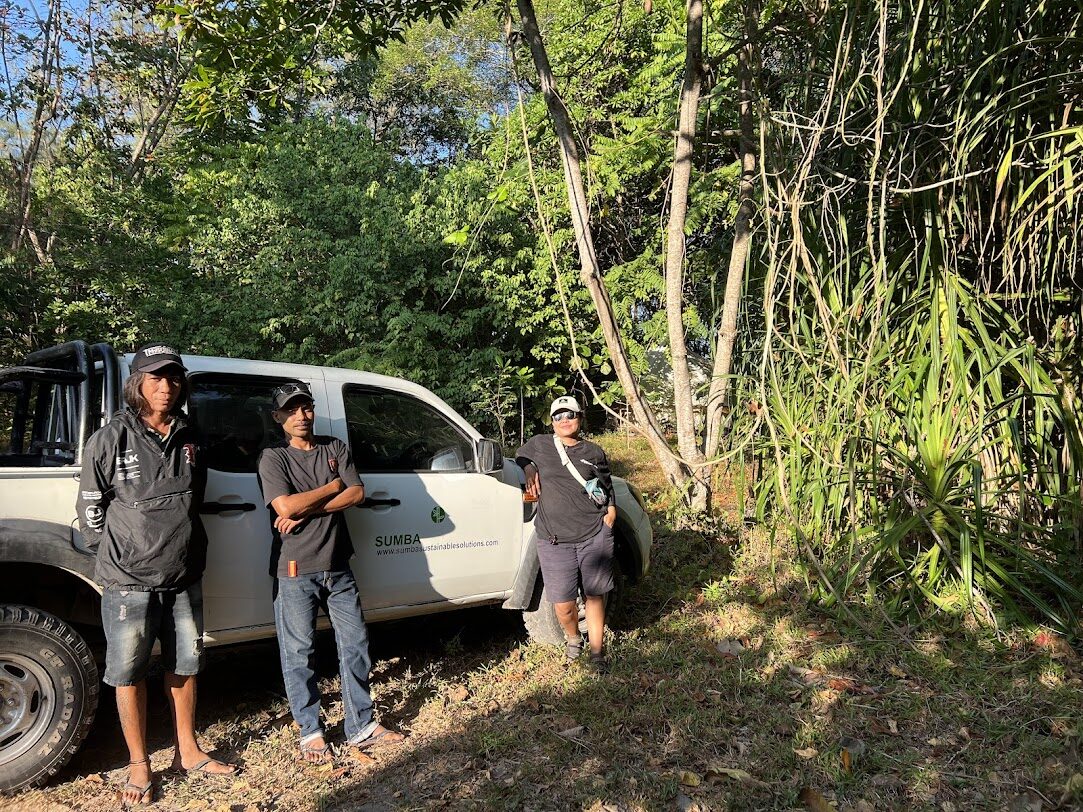
Bapa Andra, Anton, & Jetty of Sumba Sustainable Solutions
Tarimbang is one of over 13 villages in Sumba that has transitioned from kerosene candles to clean electricity in the last five years. In 2020, Sumba Sustainable Solutions partnered with Koppesda and the Honnold Foundation and received a grant of $98,000 that enabled 260 homes and schools to have access to PowerWells solar home systems.
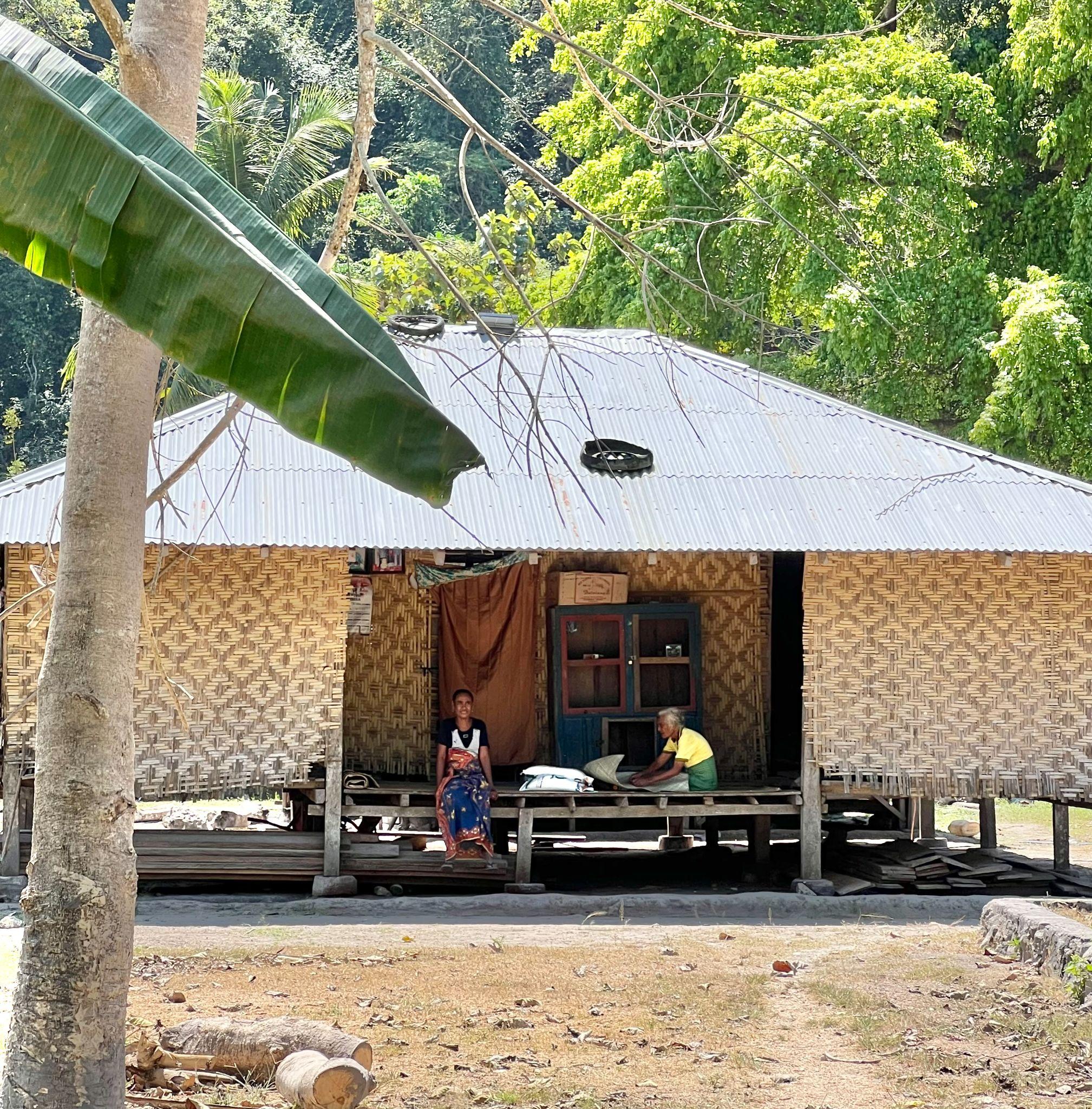
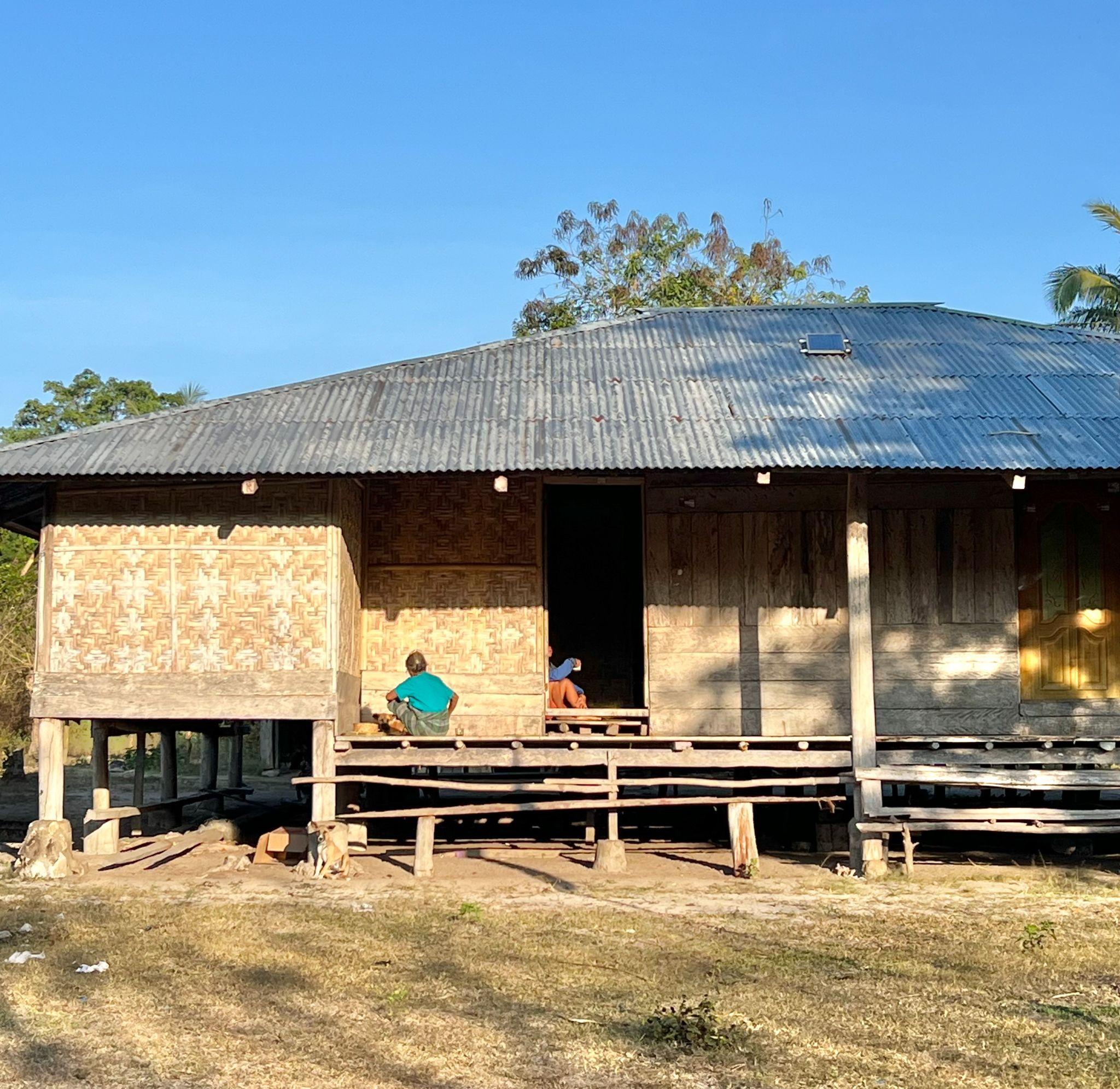
Solar-powered homes in Tarimbang Village
PowerWells are innovative solar-powered units built from upcycled electronic waste, designed to bring clean, sustainable energy to off-grid homes. Each PowerWell combines a solar panel, battery, lighting, and a mobile-device charging port into a compact, plug-and-play system. This low-cost, eco-friendly solution helps families, especially women and children, extend their productive hours, study at night, and to stay connected.
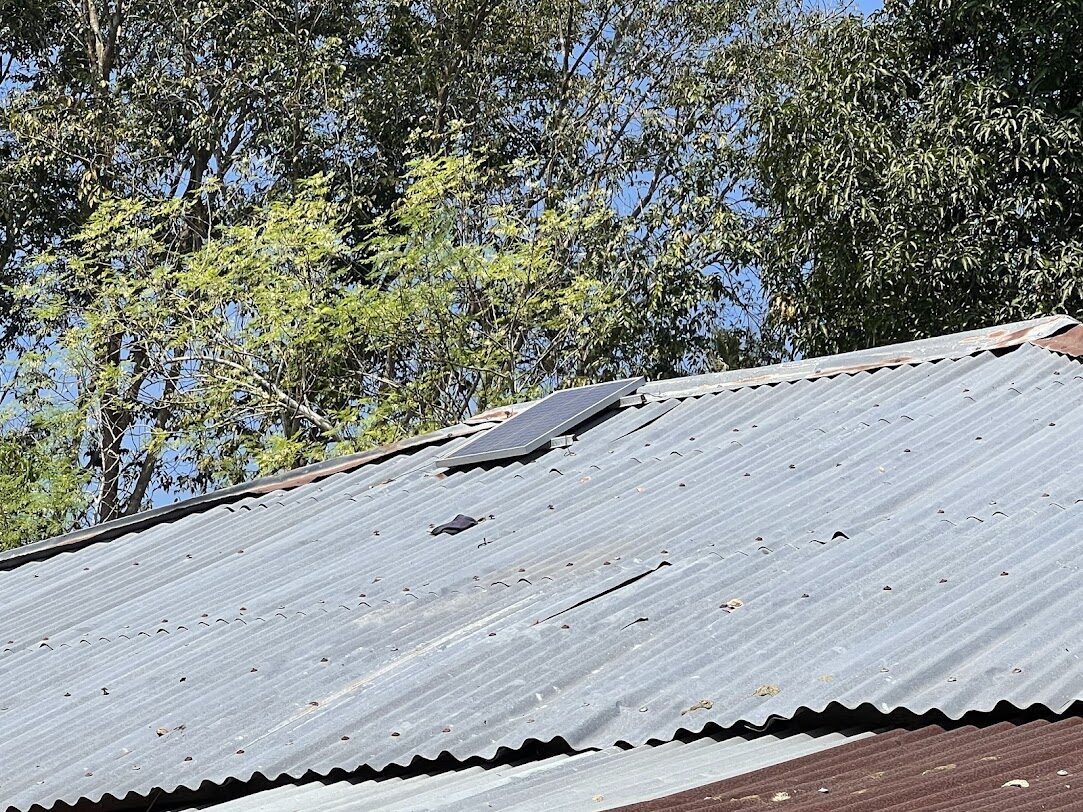
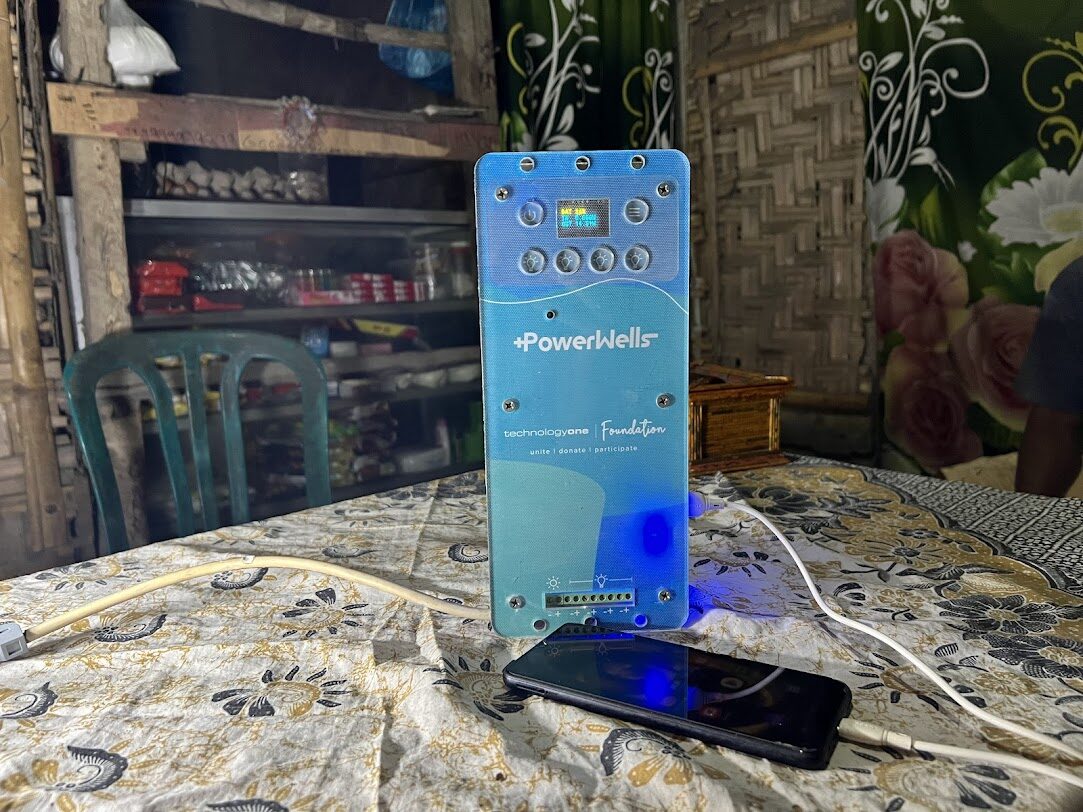
PowerWells battery and panel
The road to Tarimbang is long and winding, carved through rolling hills and endless stretches of savanna. As we got closer to the village, the road broke into a patchwork of bumps and potholes, jolting the truck with every turn. At last, the truck crested a hill and we were able to take in the view. Rice paddies and traditional sumbanese roofs dotting the coastal plain, with beautiful electric blue water in the bay. Descending the steep, winding road into the village, we arrived at Mrs. Rose’s house, located just across from the elementary school.
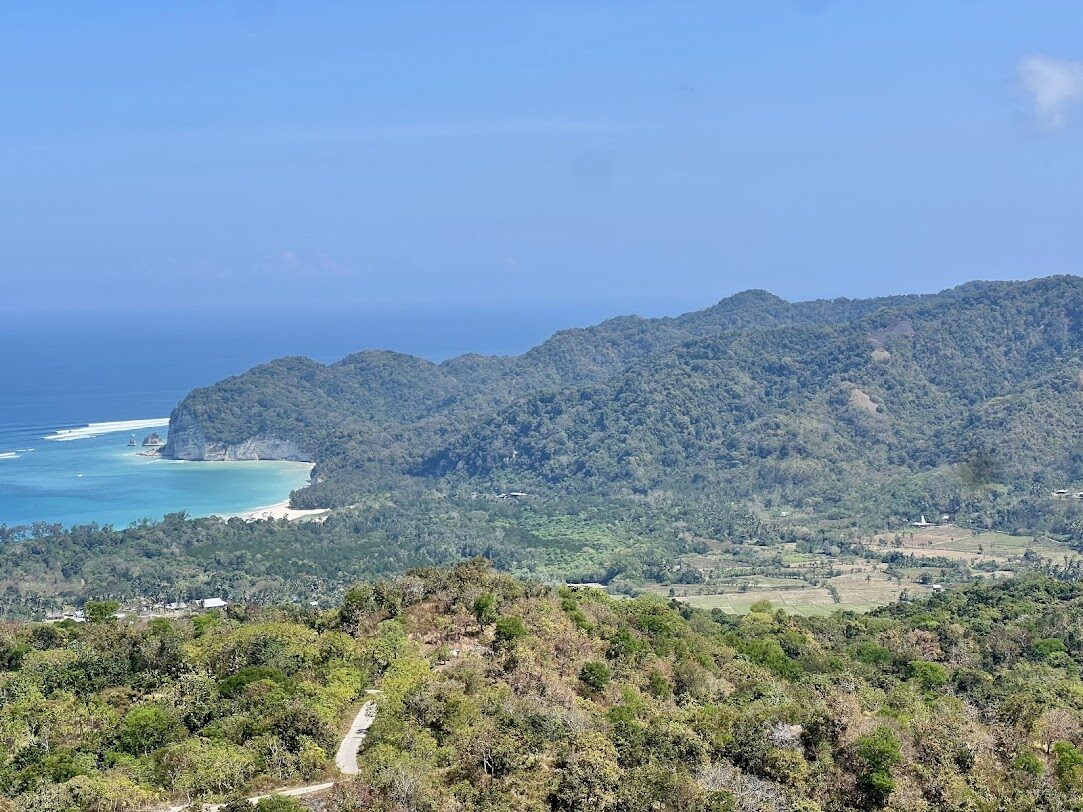
View of Tarimbang Village, East Sumba
Mrs. Rose is the agent for Tarimbang village, managing electricity for 40 homes. Using PowerWells PAYGo technology, families can purchase solar home systems on long-term contracts with small monthly repayments of 50,000 rupiah (US$ 3.07) a month for 3 years. To collect the cash payments, local community agents like Mrs. Rose are elected by the community members. Once elected, the agents, generally women, receive training in basic accounting and finance. She is one of an existing network of 82 community agents managed by Sumba Sustainable Solutions, all of whom receive a commission for their help with customer support.
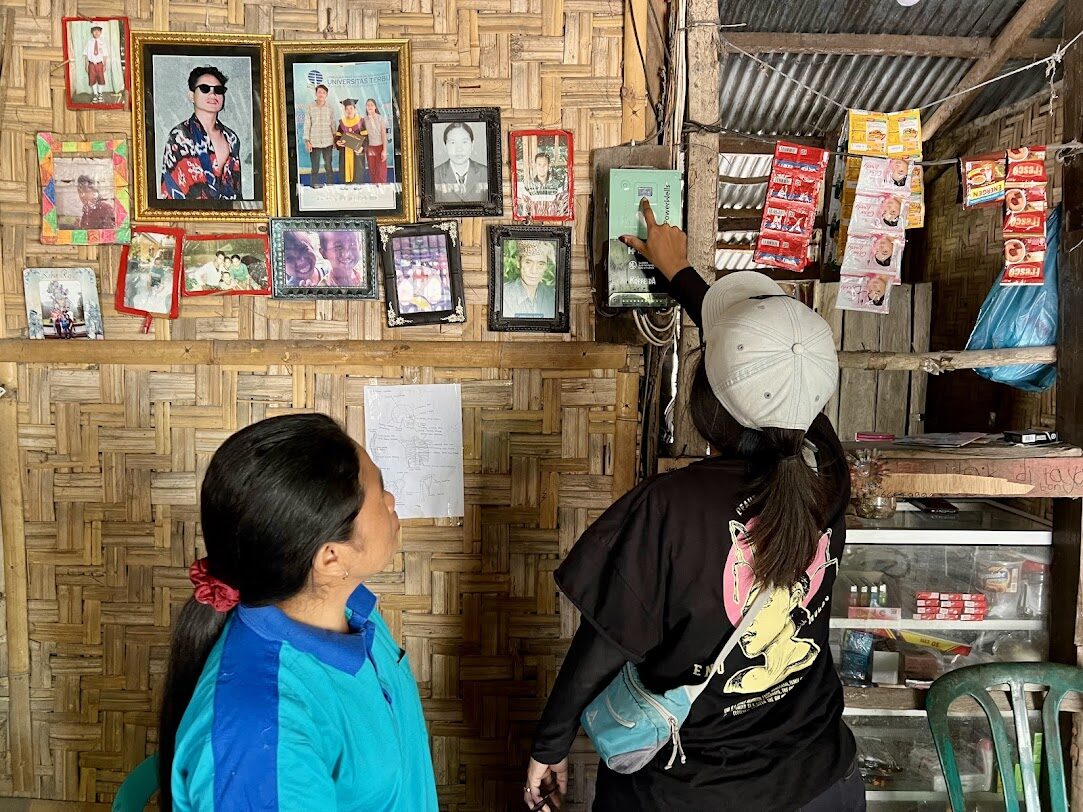
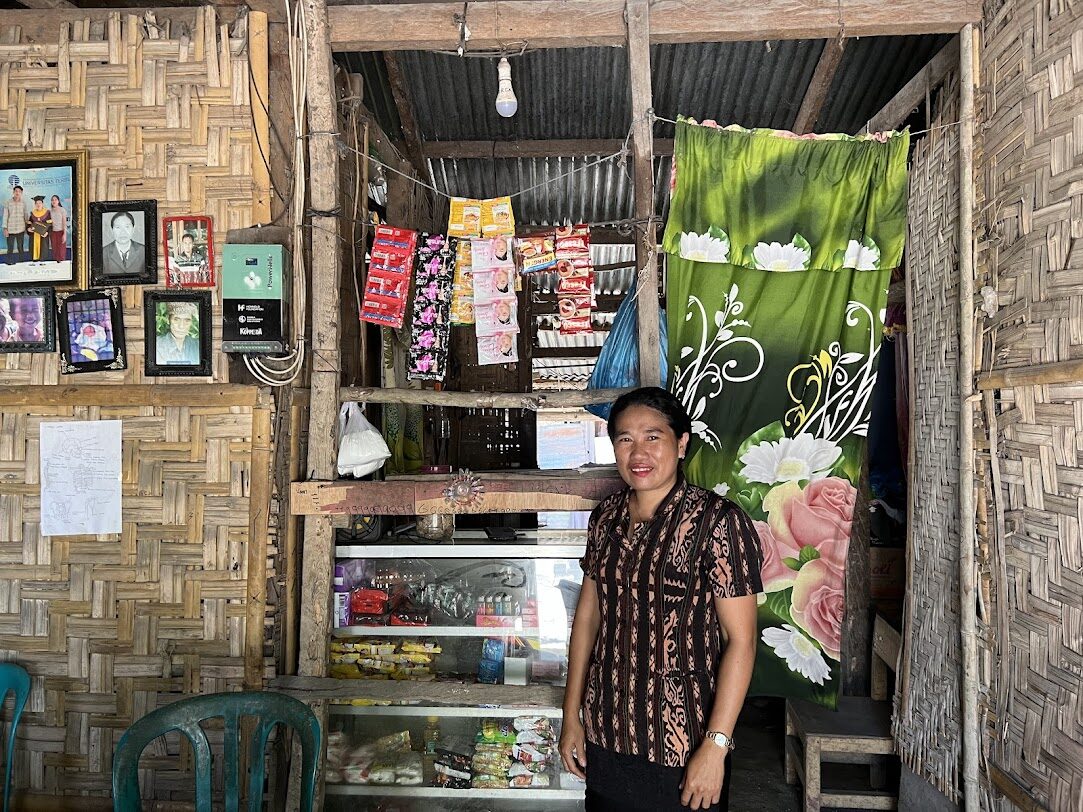
Mrs. Rose and her warung
Mrs. Rose, who also works as an elementary school teacher in the mornings, showed us her Powerwell and explained the impact it has had on her family and business (a small “warung”, or roadside shop). Before having electricity, her warung would be open from 6am – 6pm in the afternoon. Now, with lights, she stays open until midnight, welcoming more customers and increasing her income from selling additional goods. At the same time, light has also improved her dinner preparation process and cooking in the night time. Mrs. Rose can now prepare meals at her own pace, seeing each ingredient clearly and chopping food safely.
Having consistent electricity has also had a big impact on Mrs. Rose’s children. With the lights on after dark, they can now practice reading and writing well into the evening. While we were visiting, her children were reading aloud lines of Bahasa from their schoolbooks. Electricity’s impact on education cannot be understated; light extends the hours for learning, helping children strengthen their skills and opening doors to greater educational and economic opportunities.
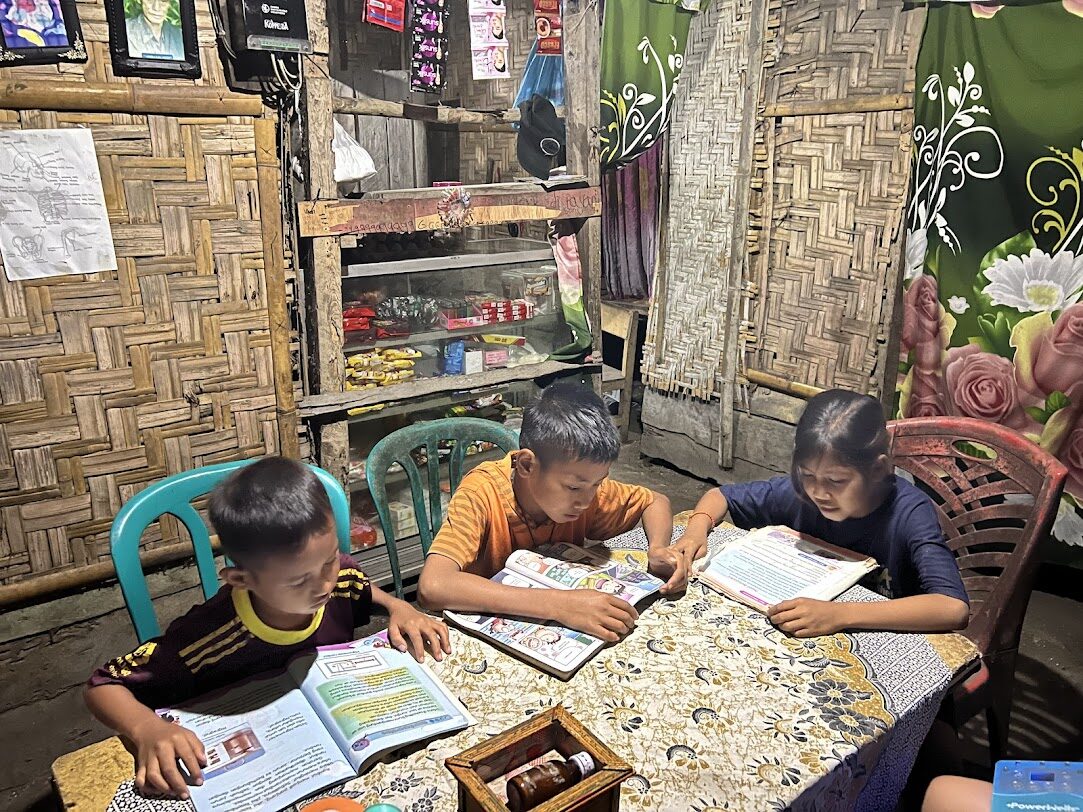
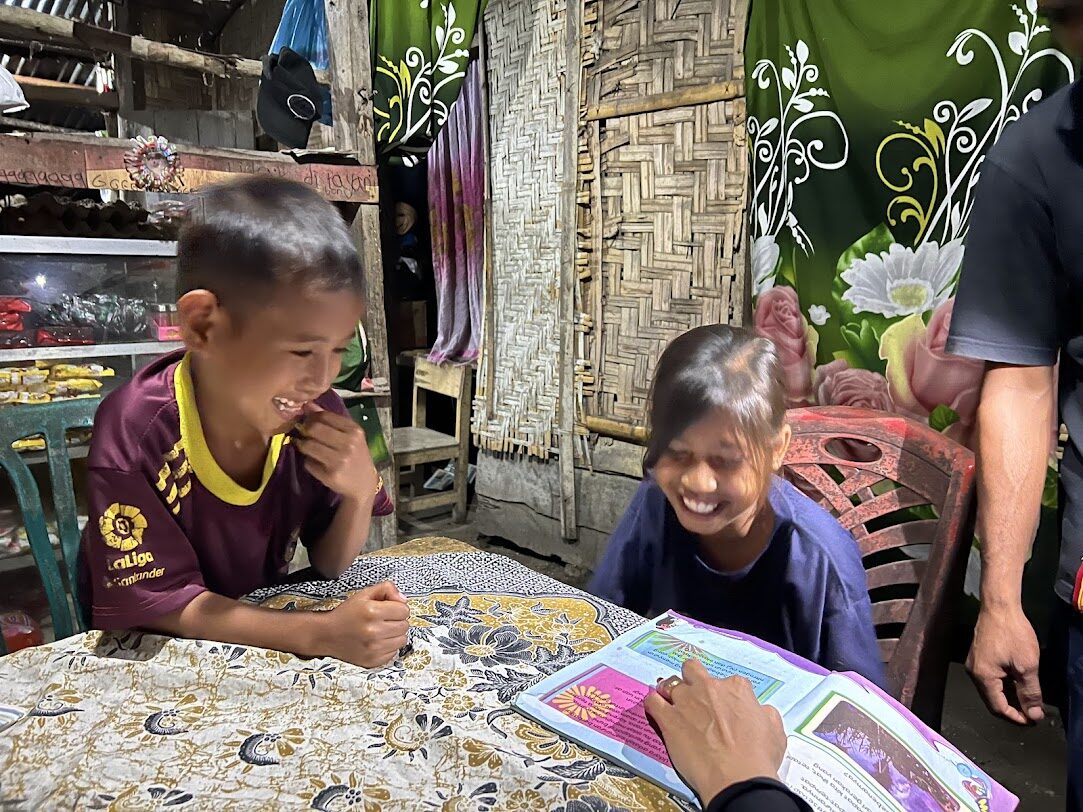
Mrs. Rose’s children reading under solar-powered light
After a wonderful visit with Miss Rose, we continued down the road to another home powered by solar. We were greeted by Pastor Ones H. Windy and his wife Maria K. Aji, who have been using their powerwell unit for over two years now. Before, they relied on a generator, but with gasoline costing 50,000 rupiah per liter, they could only afford to use it in emergencies. Now, they are able to pay 50,000 rupiah a month for consistent electricity, with a maintenance guarantee from Sumba Sustainable Solutions. The change has been profound: the family can gather on their porch and pray together late into the night, and the children can finish their homework under steady light, free from the constraints of fuel shortages.
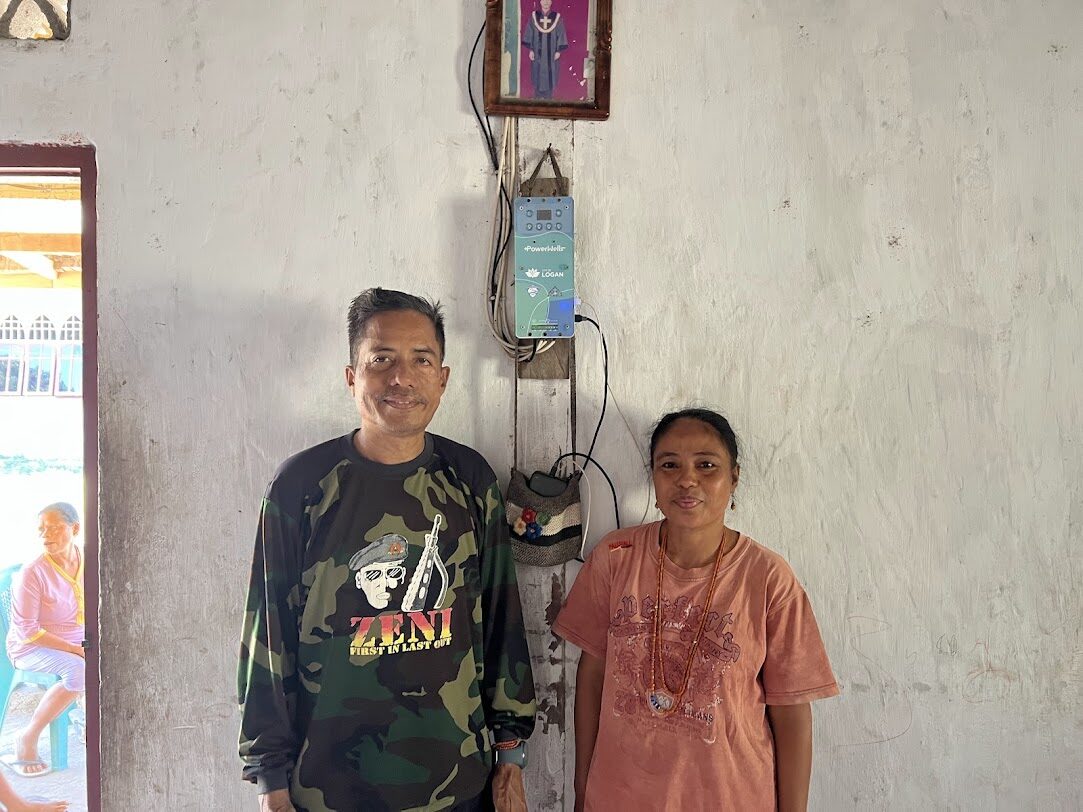
Pastor Ones H. Windy and wife Maria K. Aji with their PowerWell unit
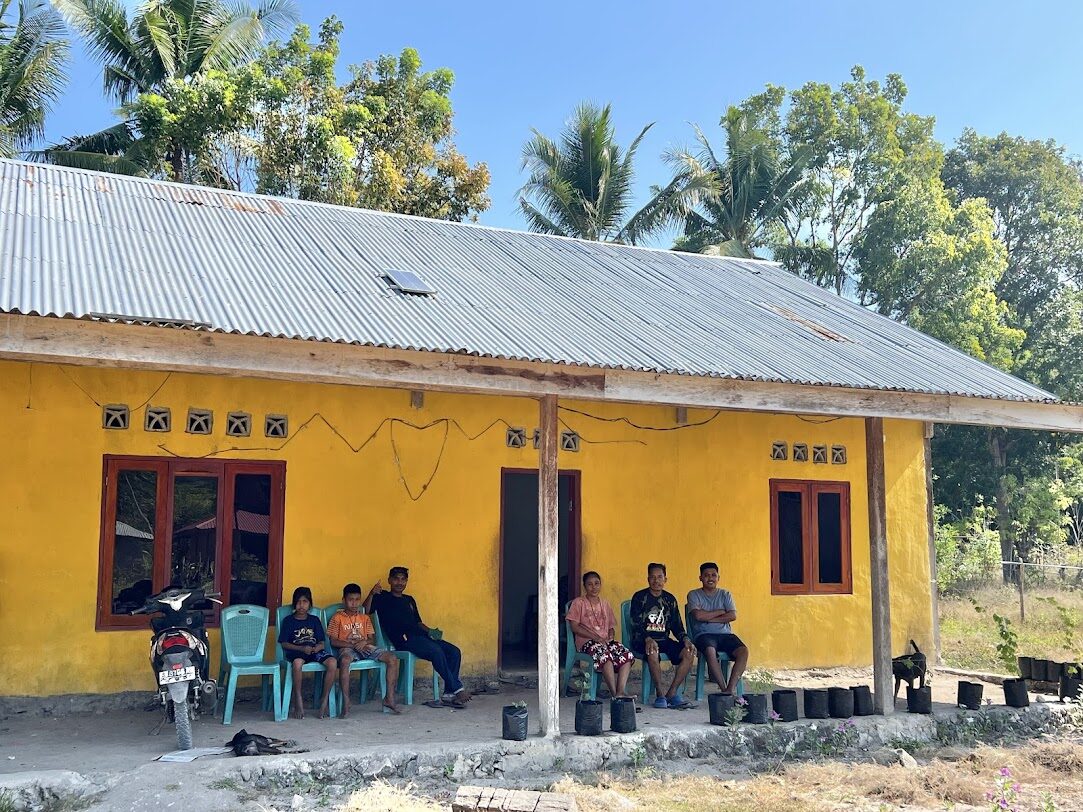
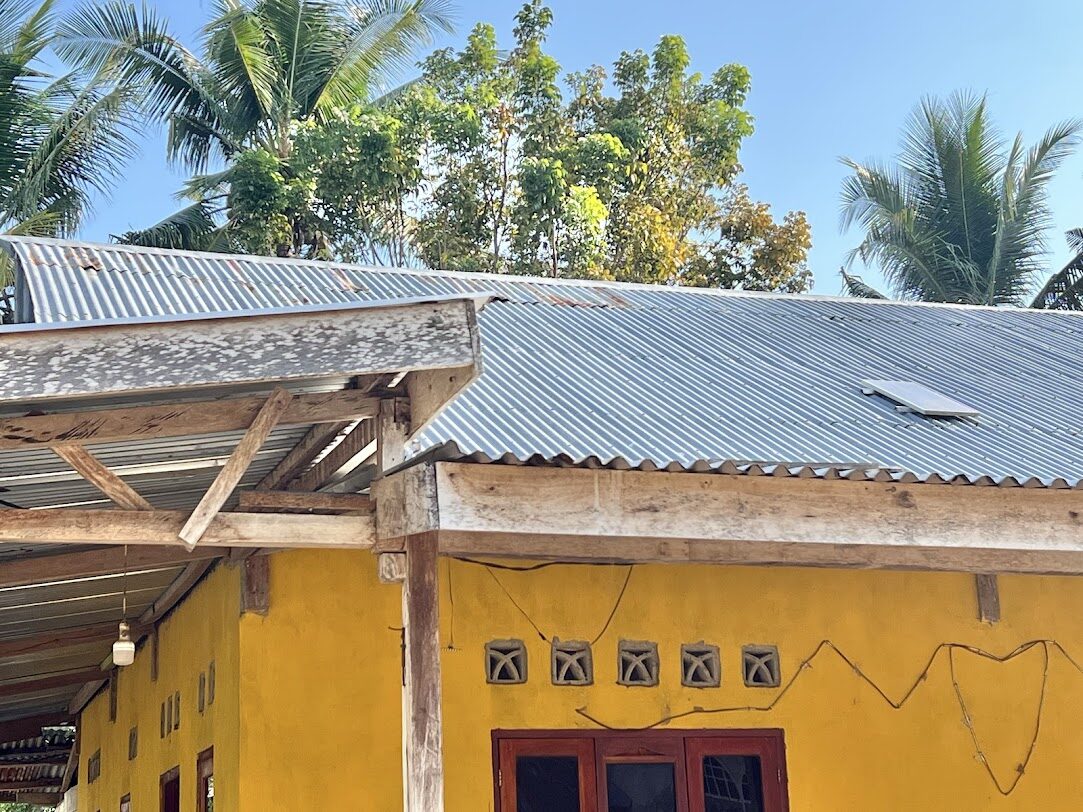
Pastor’s family rests in the shade, while the sun charges their PowerWell
As the sky deepened to indigo and the sun slipped behind the hills, we were able to see the effect of solar-powered electricity firsthand. Driving slowly down the main village road, we saw forty homes glowing under the soft light of electric bulbs powered entirely by the sun’s energy gathered that day.
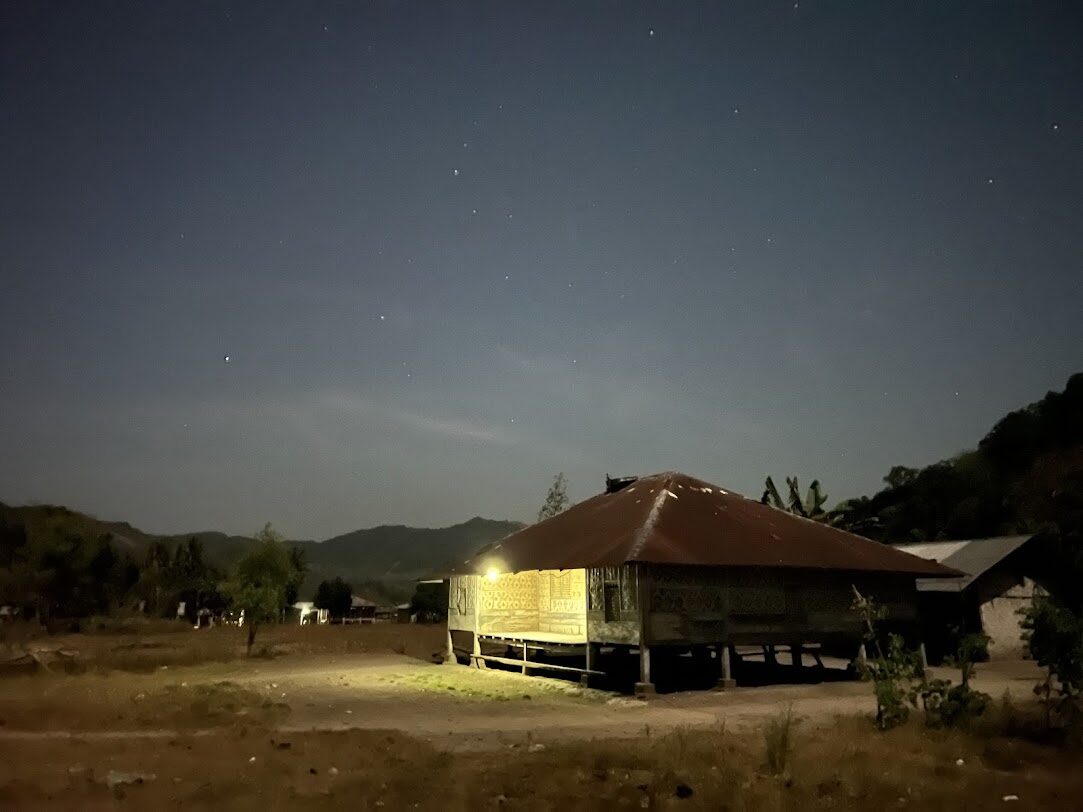
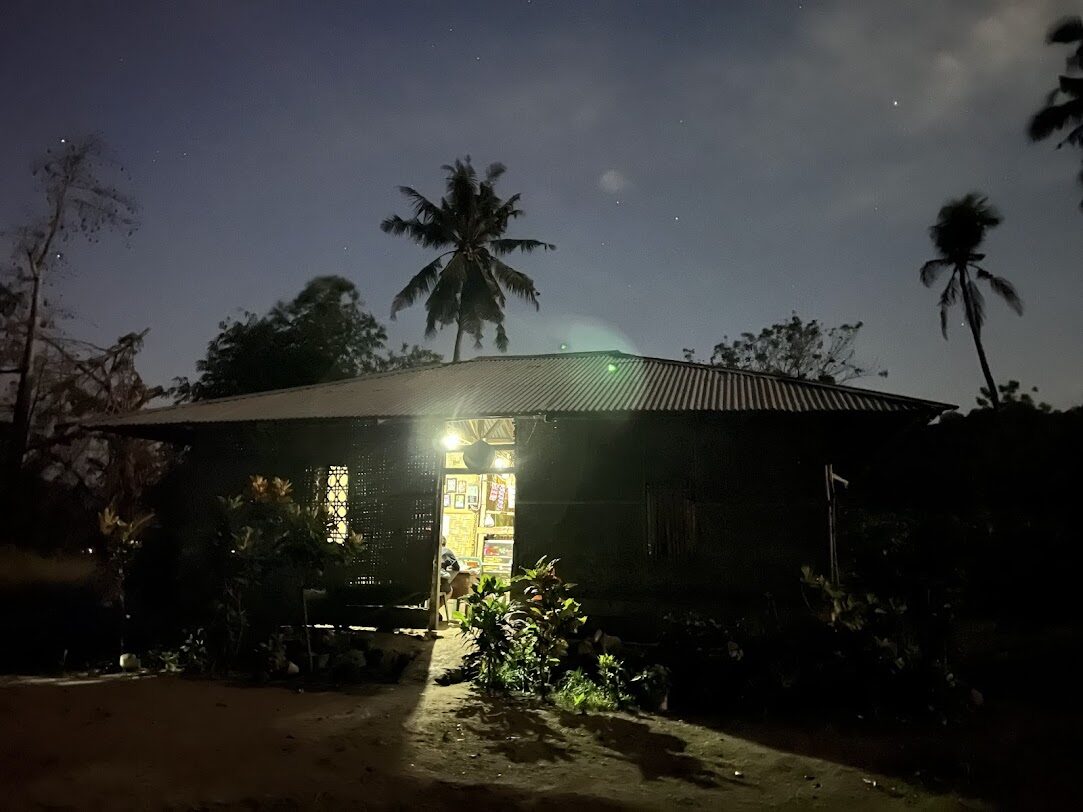 Tarimbang homes lit up at night
On average, each household is home to five or more family members, meaning over 200 lives are impacted by this light. Just a few years ago, many in this community lived in darkness; now, small rays of light spill from doorways as you pass, a quiet sign of change. The Pay-As-You-Go lease-to-own system has been met with satisfaction and enthusiasm and we know because our phone rings the moment the lights go out.
The next morning, we climbed back into the truck and made our way up the steep road out of the valley. Looking back over the view, we felt filled with renewed motivation for the work ahead. Already, more than ten villages have expressed interest in our technology and services. They are part of the 25% of Sumba’s households that still rely on harmful and expensive kerosene for lighting, which contributes to health risks and carbon emissions. Our list of interested communities is growing by the month, and we are eager to bring clean, reliable power to more homes across the island.

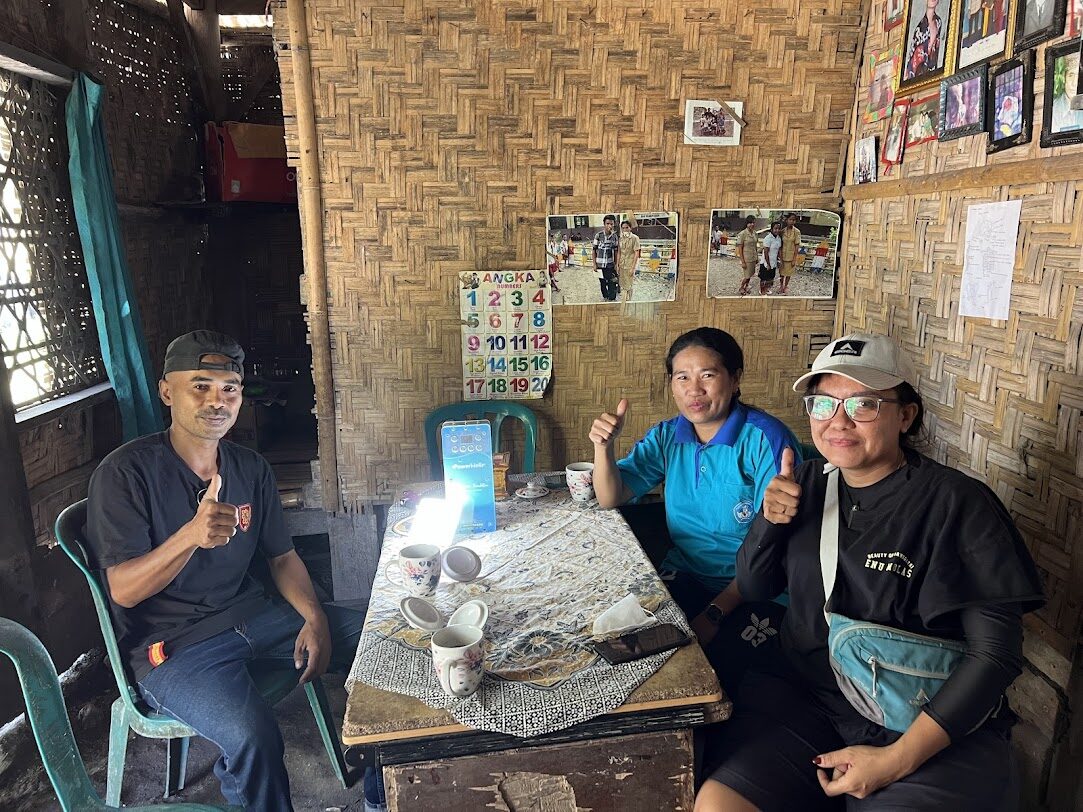
If you would like to partner, please contact us at admin@sumbasolutions.com.
Authored by Tamsin Stringer
